
Blogs & Press
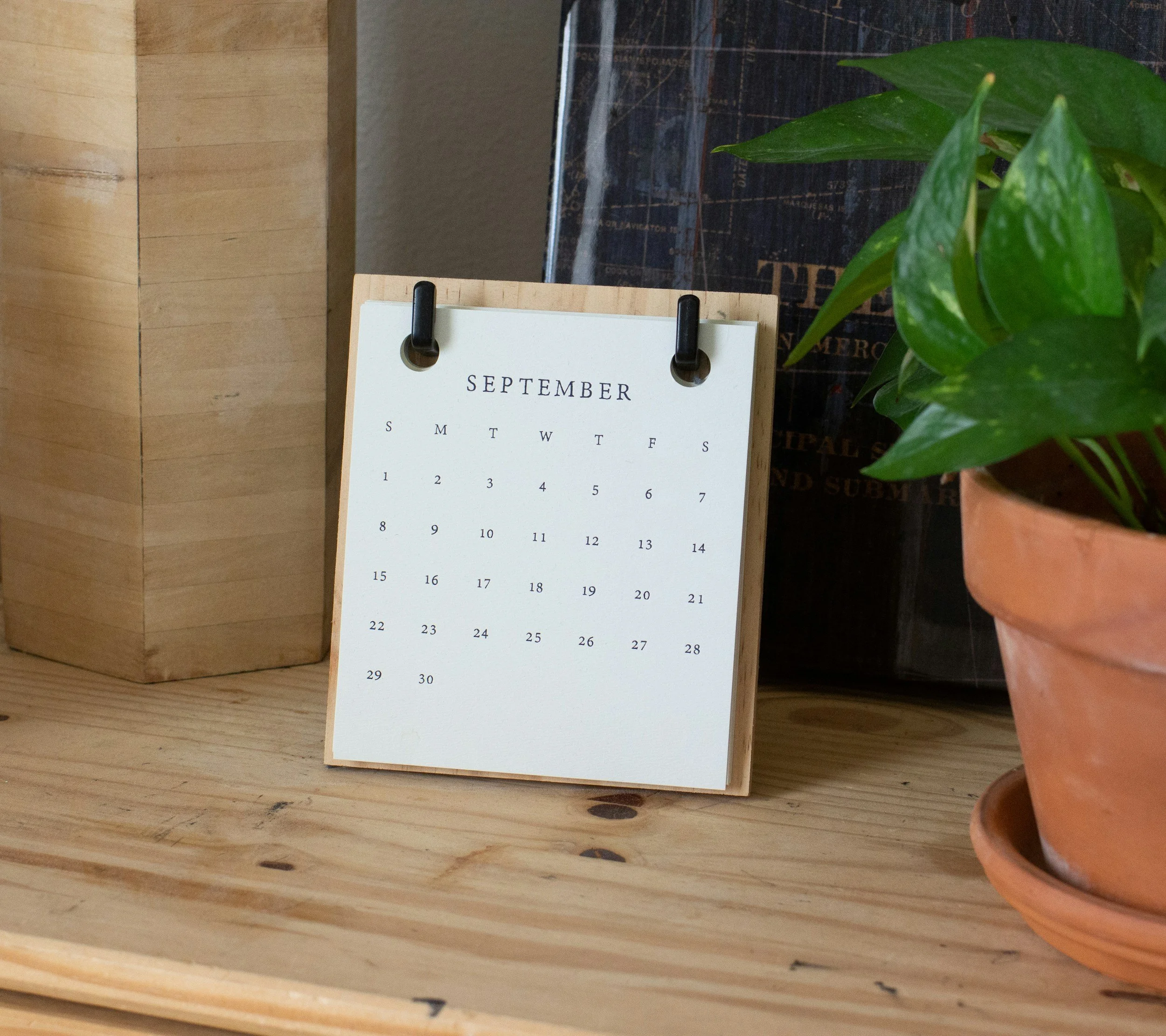
Why September Can Feel More Pressured Than January
September has a way of putting things on the table that summer let you avoid. Whether it's the quiet house since your child left for university, a struggling marriage that agreed to wait until after the holidays, or a fitness reset that's really about control, none of it is really about September. It's what catches up with you once the noise and distraction stop.

Why So Many Men Carry Their Grief Alone
I meet a lot of men who've lost someone and, on the surface, seem to be doing fine. Back at work quickly. The practical things sorted without complaint. No tears, or none that anyone sees. Busy being dads, partners, colleagues, throwing themselves into work or training instead of feeling the loss. It isn't that these men grieve less, usually it's the opposite. They've just got very good at not letting it show, often because somewhere along the way they learned that coping meant carrying it alone.

Burnout in Midlife: Signs, Symptoms and How Therapy Can Help
Burnout doesn’t always look like sudden collapse. More often it shows up slowly as exhaustion that sleep doesn’t fix, low motivation, irritability, or a sense of feeling flat and disconnected from yourself.
Midlife can intensify this, with competing demands, ongoing responsibility, and deeper questions about meaning and direction all building at once.
This blog explores what burnout can look like, why it often develops gradually, and how therapy can help you understand what’s really going on beneath the surface.

Why You're Not Just Lazy: The Real Reasons We Procrastinate
Procrastination is not a time management problem, it's an emotional one. Research from Durham University shows it's rarely about laziness, and everything about what we're trying to protect ourselves from. If you've ever known exactly what you need to do and still couldn't do it, this is for you."

Loneliness is one of the most common things people bring to therapy. Here’s what helps.
More and more people are coming to therapy not because they're in crisis, but because they're lonely and can't quite explain why. They have full lives. People who love them. And yet something essential is missing. If that resonates, I've written about what I see in the therapy room, and five things that can genuinely help.

Why You Can’t Get Someone Out of Your Head & Why Midlife Makes it Worse.
There is a particular kind of client I am seeing more of lately. They sit down, slightly embarrassed, and tell me they cannot stop thinking about someone. What they are describing has a name —limerence
It is an involuntary, intrusive state of intense longing. It is not a character flaw. And in midlife, it is rarely about the other person.

When Your Parent Dies, Do You Still Have to Keep Their Partner?
Bereavement rarely arrives as a single loss. Around the death of a parent, other relationships can fracture, change shape, or simply cease to make sense. One of the least talked about is the relationship with a stepparent. What happens when that relationship, which existed because of your parent, cannot survive without them?

The Women's Hormone Clinic
Holden Place Therapy is proud to announce a new collaborative partnership with The Women's Hormone Clinic, a leading specialist clinic providing expert, evidence-based hormonal health support for women across the UK.
As a Trusted Partner, Claire Dale is listed as a recommended therapist within the clinic's network, offering a joined-up pathway for women who would benefit from both specialist hormone treatment and dedicated emotional and psychological support.

Navigating Mother’s Day When It’s Complicated
Sunday March 15th, is Mother's Day in the UK. As a therapist working with grief and bereavement, I know this day is rarely simple.
The feelings can begin weeks before when the shops start filling up with cards, flowers, and carefully curated gift sets. There's no escape from it. Social media fills with glowing images of smiling mothers, daughters, and sons. And if you've lost your mum through death, estrangement, divorce, abandonment, addiction, or so many other painful ways, it can feel like a spotlight shines on what's missing in your life.

As menopause is sometimes only half the story: Our new collaboration supporting Women in the North West
As menopause is sometimes only half the story: Our new collaboration supporting Women in the North West
For years, women have been told their symptoms are “just hormones” or “just stress.” The reality is often both.
That’s why Dr Lucy Mather, founder of Jaya Life, and counsellor Claire Dale of Holden Place Therapy have formed a trusted partnership to ensure women aged 40–60 don’t fall through the gaps between medical and emotional care.

Perimenopause, Menopause and Therapy.
“I don’t feel like myself anymore”. If that sounds familiar, you’re not alone. Here’s why therapy and menopause care go hand in hand.

Time to Talk Day 05/02/26
Time to Talk Day: Why Finding the Right Person to Talk to Matters
Thursday February 5th is Time to Talk Day, an important reminder that conversations about mental health and emotional struggles shouldn’t be off limits. Opening up is crucial, but when you’re going through something difficult, who you talk to can make all the difference.

Losing a Parent as an Adult: When Grief Meets Identity
When we lose a parent as an adult, people often assume we’ll cope better. We’re grown, independent, perhaps even parents ourselves. Yet many clients tell me that this particular loss hits harder and deeper than they expected. It’s not just the absence of the person, it’s the shifting of the ground beneath us.

How Long Will Grief Last?
How Long Will Grief Last?
It’s one of the most common questions people ask in therapy: “How long will this grief last?”
It’s an understandable question, and a heartbreaking one. When we’re in the depths of loss, we long for someone to tell us how long this pain will last, when we’ll feel ‘normal’ again, and when life might stop hurting quite so much.

The Verdict on Grief and Guilt: Not Guilty.
“I feel so guilty.”
It’s a phrase I hear often in therapy, and rarely from someone who’s done anything wrong.
There’s guilt for not being there at the end, guilt for surviving, guilt for laughing, for forgetting for a moment, for moving forward, for feeling ok, even briefly. It’s as though part of the grieving mind believes that feeling bad is a sign of love, or that to suffer greatly is somehow to stay loyal and not forget them.

The Motherless Mothers Podcast
Our founder Claire was invited recently to talk about her own experience of grief after the deaths of both her parents. The Motherless Mothers are a wonderful resource for those of us who have lost their Mum and are navigating parenting without that vital support. Claire talks about how she coped in the early years and how things have changed over the last decade.